Post-holiday concerns about an aging loved one?
The Reality Checklist for Aging Adults can help.
Holidays bring families together to celebrate the season and enjoy sharing time together. They also offer opportunities for us to spend lengthier periods of time with aging parents and loved ones — sometimes long enough to observe changes in habits or lifestyle that give rise to concerns about their health or well-being, especially when they live on their own. The changes can seem slight or innocuous: a forgotten face, a mismatched outfit, a wrong turn on the way to the grocery store. Or, they can be more alarming: physical difficulties, mixed-up meds, or a crumpled fender on the car. Asking questions may elicit responses ranging from dismissive reassurances to outright anger. Doubts about self-sufficiency or ability to live alone have the potential to alarm anyone, especially seniors with a strong sense of independence.
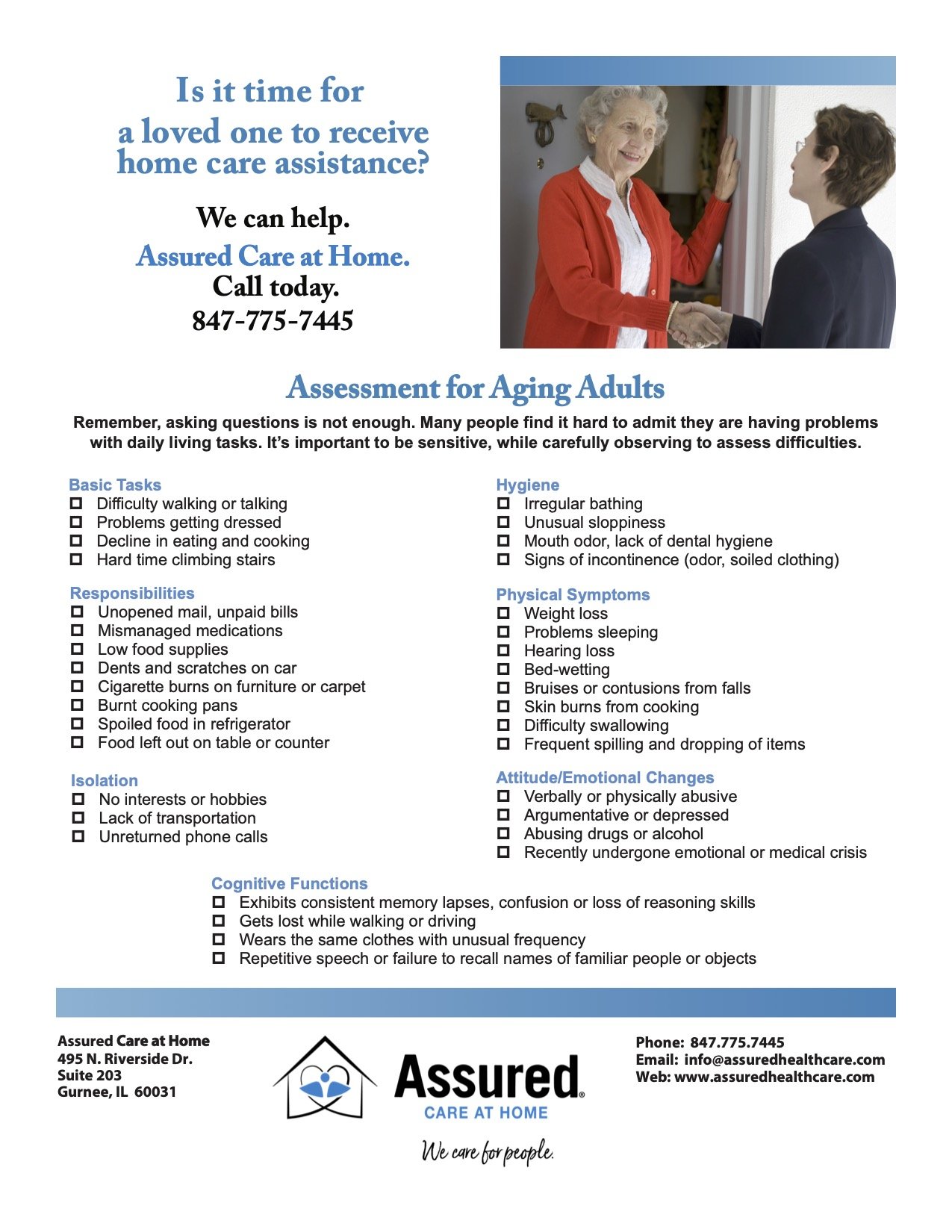
What can you do in a situation like this, how can you help? Are the changes you detect signs of declining physical or mental health? Does your parent or loved one need assistance with daily living tasks? How do you know, what do you watch for?
The Reality Checklist for Aging Adults is designed to help you answer those questions by providing a list of symptoms and conditions to be alert to. Some of the items on the checklist are automatic red-flags; others are less obvious, more subtle indicators of potential issues. Reviewed carefully and collectively, the list can serve as tool to help determine if further assessment is needed and as a basis for thoughtful discussion with a loved one, physician or other family members.
Living Well Newsday
Sign up with your email address to receive news and updates. Download our fillable Medication Log Sheet as our gift for subscribing.